
Your Staff Are Already Utilizing AI. Does Authorized Know What Information They’re Giving It?
The largest AI-related authorized publicity inside an organization might not come from the system that went via six months of procurement, safety overview and contract negotiation.
It might come from an worker opening a browser.
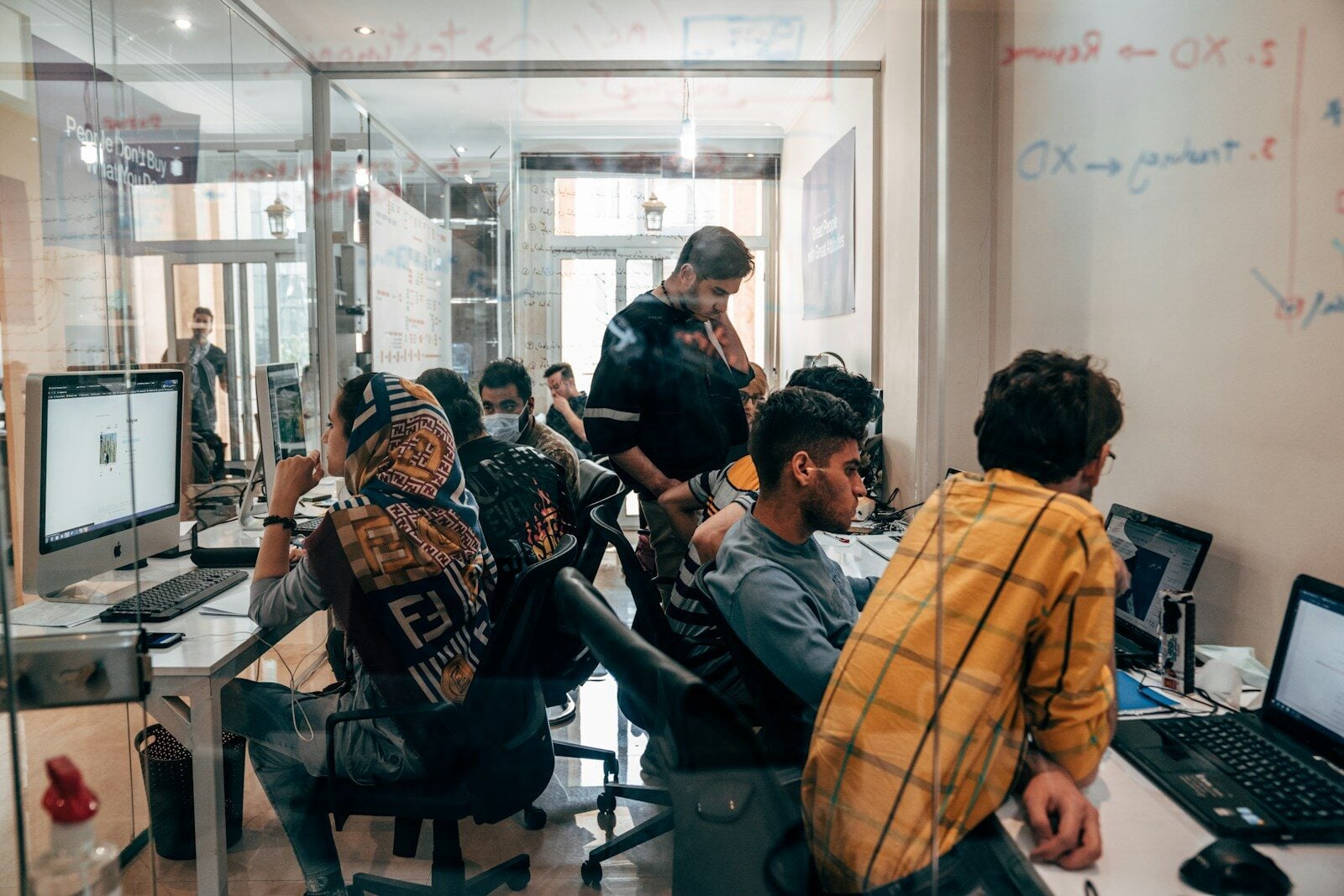
Staff are already utilizing AI to summarize paperwork, analyze spreadsheets, rewrite emails, overview contracts, generate code, analysis rivals and put together shows.
Most of that is unusual productiveness work. A lot of it’s helpful.
The issue begins when firm data goes with it.
Analysis from Open Future Discussion board suggests that is changing into more durable for firms to disregard. In its September 2026 analysis, 25% of senior safety leaders recognized shadow AI as a priority. The share involved about information leakage into AI fashions rose from 20% to 38% throughout August.
For Normal Counsel, the necessary query isn’t whether or not workers use AI.
They already do.
The query is what data they’re giving it.
Shadow AI Is Actually a Information Drawback
Shadow AI is normally outlined as the usage of AI methods that haven’t been formally authorized by a company.
That may imply a client chatbot, however the class is changing into a lot broader.
Browser extensions have AI options. Assembly purposes report and summarize conversations. Coding instruments course of supply code. Analysis merchandise ingest paperwork. Present enterprise purposes are including AI capabilities that workers might begin utilizing with out pondering of them as separate AI merchandise.
Making an attempt to take care of an inventory of each doable AI instrument will change into more and more tough.
A extra sturdy method is to start out with the information.
Firms ought to know which classes of knowledge workers can use with authorized AI methods and which ought to by no means be entered into an unapproved system.
Relying on the enterprise, restricted data would possibly embrace buyer information, worker data, supply code, monetary data, commerce secrets and techniques, board supplies, M&A paperwork, privileged communications and unreleased product data.
There may be one other class that may be missed: different individuals’s confidential data.
Firms routinely obtain delicate data from prospects, suppliers, buyers, companions and acquisition targets.
An worker importing that materials into an unapproved AI system can probably create a contractual downside even when the corporate’s personal data shouldn’t be concerned.
Safety Leaders Are Already Seeing the Drawback
The priority shouldn’t be theoretical.
Open Future Discussion board’s CISO analysis has constantly proven safety executives wrestling with the hole between the pace of AI adoption and the controls round it.
Caroline Wong, a cybersecurity government who has participated in Open Future Discussion board’s CISO programming, has emphasised the significance of understanding AI threat within the context of the methods, information and folks round it.
That distinction issues.
An organization can spend months assessing the safety structure of an authorized enterprise AI product whereas workers independently ship delicate data to utterly completely different methods.
The safety of the authorized product doesn’t remedy the second downside.
That is one cause shadow AI more and more belongs in conversations between the CISO and Normal Counsel fairly than being handled solely as an IT-policy violation.
A One-Line AI Coverage Isn’t Sufficient
Many firms initially responded to generative AI with an easy rule:
Don’t put confidential data into public AI instruments.
As an emergency measure, that made sense.
As a everlasting working coverage, it leaves an excessive amount of interpretation to the worker.
Contemplate the distinction between these conditions:
A salesman asks an AI system to summarize an organization’s publicly obtainable annual report.
An engineer submits proprietary supply code for debugging.
A marketer makes use of AI to brainstorm headlines.
A finance worker uploads an inner forecast.
A lawyer submits correspondence referring to a possible dispute.
All contain AI. They don’t contain remotely equal dangers.
A helpful coverage wants to assist workers distinguish between them with out asking the authorized division for permission each time they open an AI software.
Privilege Deserves Explicit Consideration
Authorized departments have a further downside as a result of they routinely deal with a number of the most delicate data in an organization.
They examine disputes, advise executives, overview transactions and work with materials that the corporate expects to stay confidential.
AI can clearly assist with that work.
However earlier than privileged or extremely delicate materials is submitted to an exterior AI system, authorized groups ought to perceive how that data is processed.
Is it retained?
Can people on the supplier entry it?
Can or not it’s used to enhance the service?
Does data cross to a different mannequin supplier?
What contractual protections apply?
How is it deleted?
Calling a product “enterprise AI” doesn’t reply these questions.
The phrases and technical structure do.
M&A Is an Apparent Stress Check
Deal work reveals why this issues.
M&A processes can contain monetary data, buyer information, mental property, worker data, board discussions, business negotiations and data belonging to the acquisition goal.
AI could make diligence considerably extra environment friendly. It will possibly summarize paperwork, establish clauses, evaluate contracts and assist groups course of massive quantities of knowledge.
That usefulness is precisely why workers will need to use it.
However a deal crew importing acquisition materials into an AI system the corporate has by no means assessed shouldn’t be merely experimenting with productiveness software program.
It might be shifting a number of the most delicate data obtainable to the corporate into an setting no one has reviewed.
AI diligence due to this fact more and more applies to the client’s personal processes, not solely to the goal’s expertise.
The Identical Query Applies to Exterior Counsel and Advisers
The data doesn’t cease on the firm’s boundary.
Companies routinely share delicate materials with outdoors counsel, accountants, consultants, funding bankers, insurers and different advisers.
These companies are adopting AI as effectively.
That doesn’t imply firms ought to prohibit their advisers from utilizing it. Accountable AI use may make skilled work quicker and, in some circumstances, higher.
However for notably delicate data, firms ought to perceive the controls.
Which methods are getting used?
What data is submitted?
Beneath what contractual phrases?
Can the information be retained or reused?
Which third events course of it?
These are more and more affordable vendor-management questions.
The corporate can have wonderful inner AI controls and nonetheless lose visibility when the identical data leaves for an adviser.
Normal Counsel and CISO Must Examine Notes
Shadow AI exposes an organizational downside.
Authorized might know which data is topic to confidentiality, privateness or contractual restrictions.
Safety might know which AI purposes workers are literally accessing.
These are two halves of the identical image.
That is the place Open Future Discussion board’s cross-functional analysis turns into helpful.
Its Normal Counsel AI Report interprets enterprise AI adoption via points resembling accountability, contracts and governance. Its CISO AI Leverage analysis appears on the identical setting via entry, safety, shadow AI and information leakage.
Neither authorized nor safety can remedy the ensuing downside independently.
Authorized can’t govern a system it doesn’t know workers are utilizing.
Safety can’t decide the authorized significance of each class of knowledge shifting via it.
They want a shared map.
What the Government Information Provides
The broader government perspective issues as a result of shadow AI hardly ever stays inside one division.
Wickey Wang, CFO of Owlet, has beforehand highlighted the worth of sensible government information fairly than relying solely on broad AI narratives.
That distinction is helpful right here.
On the mixture degree, the story is that enterprise AI adoption is accelerating.
Inside a person firm, the scenario may be a lot messier. Staff can undertake instruments quicker than procurement, safety and authorized processes can assess them.
Advertising and marketing might begin utilizing a brand new analysis instrument.
Finance might experiment with evaluation.
Engineers might undertake a coding assistant.
Staff might join assembly assistants to conversations containing delicate data.
Every determination might seem comparatively small.
Collectively they’ll create a data-governance downside that no one explicitly determined to create.
Discovery Could Be Extra Helpful Than One other Coverage
Firms can write wonderful AI insurance policies and nonetheless have a shadow-AI downside.
A coverage describes what workers are presupposed to do.
Discovery tells administration what they’re truly doing.
That distinction issues.
If administration believes workers are utilizing three authorized AI methods whereas workers are literally accessing thirty, the coverage is describing an organization that doesn’t exist.
Firms want sufficient visibility to establish materials AI use, set up authorized methods and examine purposes that current greater dangers.
That doesn’t require monitoring each worker immediate.
It means treating AI purposes as enterprise expertise fairly than assuming a coverage alone creates management.
Give Staff a Secure Sure
There may be additionally a sensible cause prohibition tends to fail.
Folks use AI as a result of it saves them time.
If the authorized various is dramatically slower or much less succesful than a product an worker can entry in seconds, some individuals will discover a method across the course of.
A workable coverage due to this fact wants an authorized path, not simply restrictions.
Staff ought to have the ability to reply 4 fundamental questions:
Which AI instruments can I exploit?
What data can I exploit with them?
What data should keep out?
Who can approve one thing new?
A transparent “sure” for unusual, low-risk AI use makes the necessary “no” simpler to know and implement.
5 Questions for Normal Counsel
For authorized groups making an attempt to know their publicity, I’d begin right here:
Do we all know which AI instruments workers are literally utilizing?
Have we outlined the data that can not be submitted to unapproved methods?
Do our authorized AI distributors present contractual protections applicable for the data workers give them?
Can safety establish materials unauthorized AI use?
Have we given workers a sensible authorized various?
If a number of solutions aren’t any, writing one other coverage in all probability isn’t the rapid precedence.
Understanding precise habits is.
AI Coverage Is Changing into Information Governance
The longer-term difficulty is larger than ChatGPT or any particular person AI product.
Firms have spent years deciding which workers and purposes can entry delicate data.
AI introduces one other class of entry:
Which exterior intelligence methods can see that data, and what are they allowed to do with it?
That query will change into more durable to reply as AI disappears into unusual software program.
Staff won’t at all times consciously determine to “use AI.” AI capabilities will more and more sit inside browsers, productiveness instruments, improvement environments and enterprise purposes they already use.
That makes the underlying precept extra helpful than sustaining an countless blacklist of merchandise:
Know what data issues.
Know which methods can entry it.
Know what these methods can do with it.
And provides workers a sensible method to make use of AI with out guessing the place the boundary is.
For Normal Counsel, that’s more and more a part of defending the corporate’s data.
Concerning the Analysis
This text attracts on the Open Future Discussion board Normal Counsel AI Report, September 2026 and CISO AI Leverage Report, September 2026.
The Normal Counsel AI Report is a synthesis report for Normal Counsel, Deputy Normal Counsel and authorized operations leaders. It interprets Open Future Discussion board’s underlying enterprise AI analysis via the authorized seat and doesn’t declare a separate Normal Counsel survey pattern.
Open Future Discussion board’s September analysis studies that 25% of senior safety leaders recognized shadow AI as a priority and that concern about information leakage into AI fashions rose from 20% to 38% throughout August.
This text is basic enterprise commentary and doesn’t represent authorized recommendation.